🚨 “HE’S JUST AN OLD MAN IN A WHITE ROBE.” — The chilling moment that left the entire studio in silence after the response from Pope Leo XIV

What began as a light political panel quickly turned into one of the most emotionally charged live television moments of the year — a scene that viewers say they will “never forget.”
The discussion was meant to focus on morality, public trust, and the growing tension between political discourse and religious authority.
But no one expected it to spiral into a moment of raw confrontation, silence, and what some are calling a “spiritual shockwave” inside the studio.
At the center of it all was Pope Leo XIV, who appeared calm, composed, and almost detached from the intensity around him.
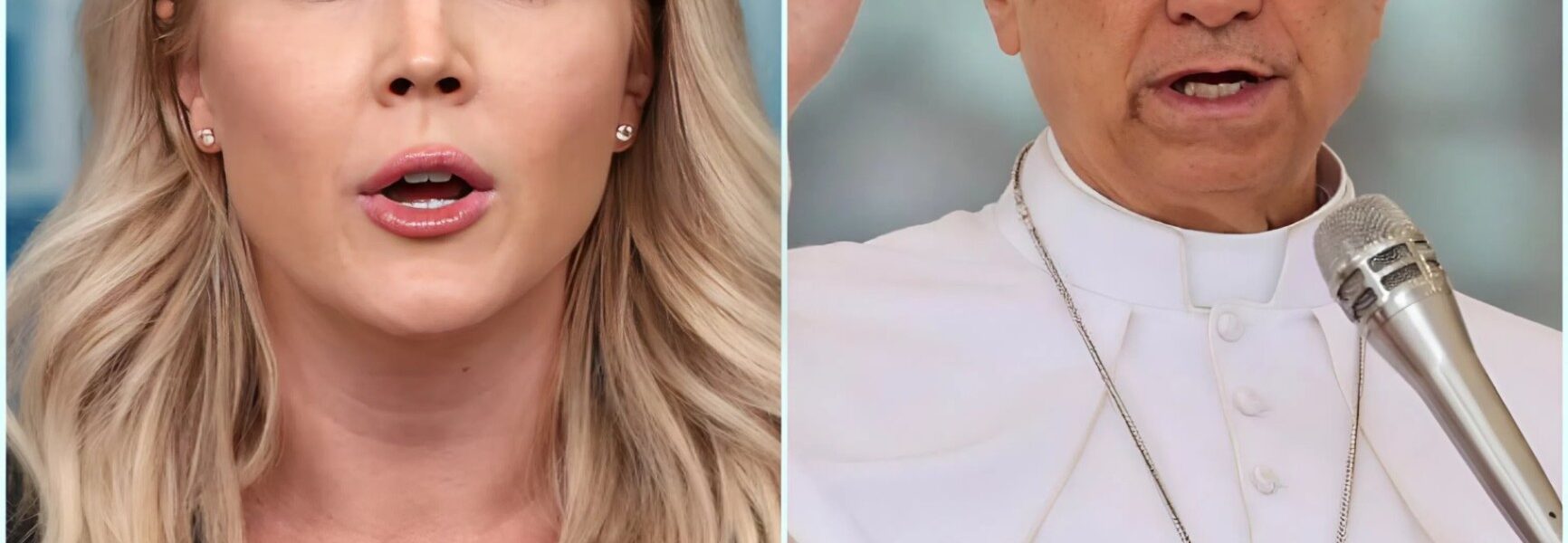
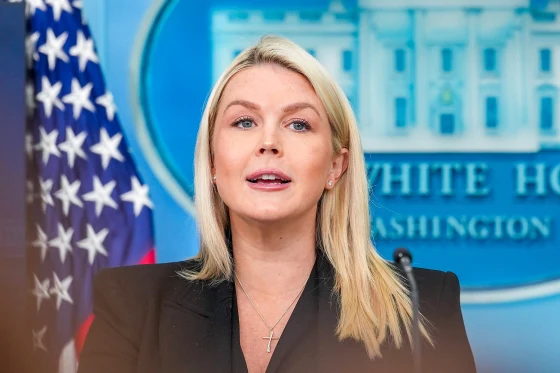
Opposite him, television panelist Karoline Leavitt allegedly made the remark that ignited everything:
“He’s just an old man in a white robe.”
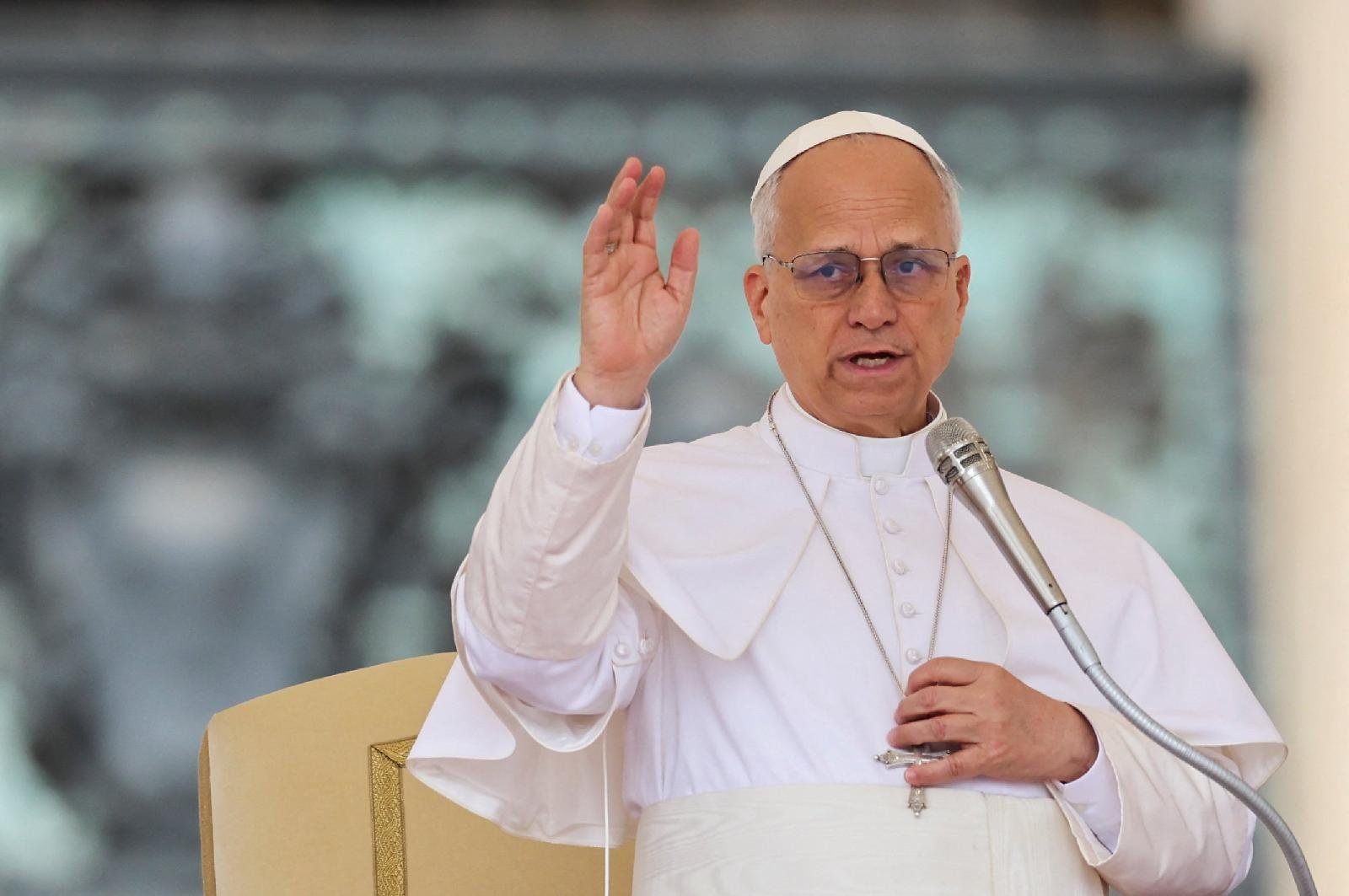
The studio reportedly reacted with laughter at first. A few nervous smiles. A few amused glances.
It seemed like just another sharp comment in a heated debate.
But then everything changed.
According to multiple viewers and studio insiders, Pope Leo XIV did not respond immediately. He did not raise his voice.
He did not challenge the insult. He simply remained still.
That silence, observers say, was the moment the atmosphere shifted.
The laughter slowly faded.
The energy in the room grew heavier.
And then, without warning, the Pope reached into his robe.
He placed a small, worn photograph on the table.
A soft tap echoed through the studio.
No one laughed anymore.
No one spoke.
The camera reportedly zoomed in slightly, capturing the sudden change in expression across the panel — confusion, discomfort, and then something closer to guilt.
Witnesses say that what followed was even more powerful than the gesture itself.
Pope Leo XIV reportedly spoke quietly, but with a weight that filled the entire room.
The exact words have not been fully confirmed, but multiple accounts describe them as deeply personal — shifting the conversation away from politics and into something far more human: loss, memory, and the cost of judgment.
Within seconds, the studio atmosphere collapsed into silence.
No interruptions.
No follow-up jokes.
Just stillness.
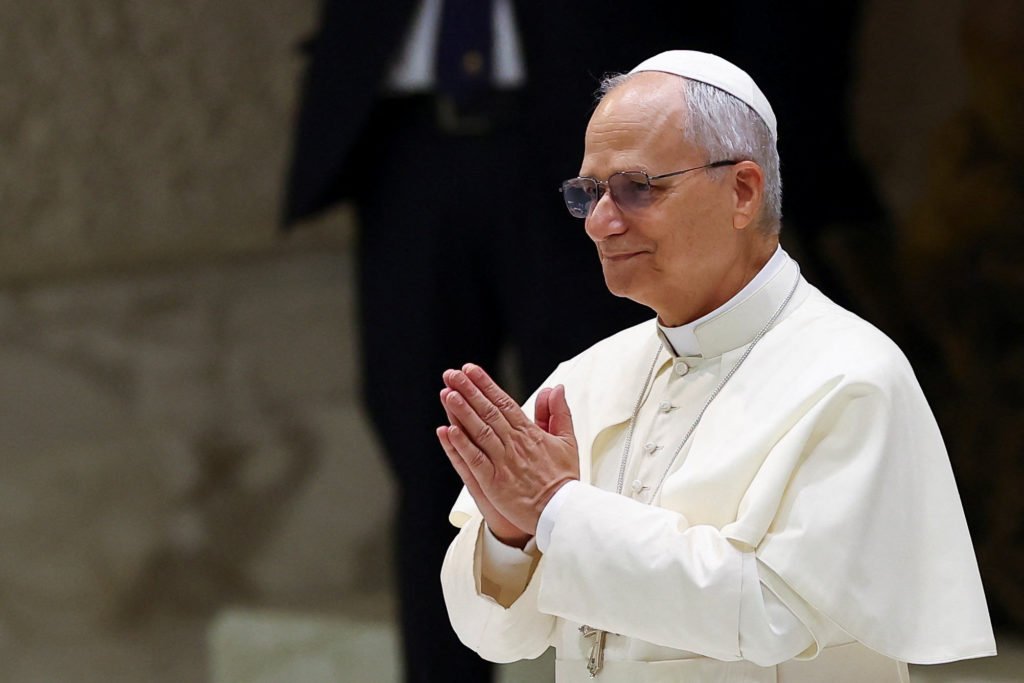
Online, clips of the moment began circulating almost instantly.
Viewers described it as “uncomfortable to watch, but impossible to look away from.”
Others called it “the moment the room realized it had gone too far.”
One viral comment summed up the reaction:
“That wasn’t a comeback. That was grief entering the room.”
Critics are now debating whether Karoline Leavitt crossed a line, or whether the reaction simply revealed how quickly modern discourse can turn dismissive toward figures of spiritual authority.
Supporters of Leavitt argue it was a harsh but fair comment within a political debate.
Others believe it underestimated the emotional and symbolic weight carried by the Pope — reducing a deeply human figure into a caricature.
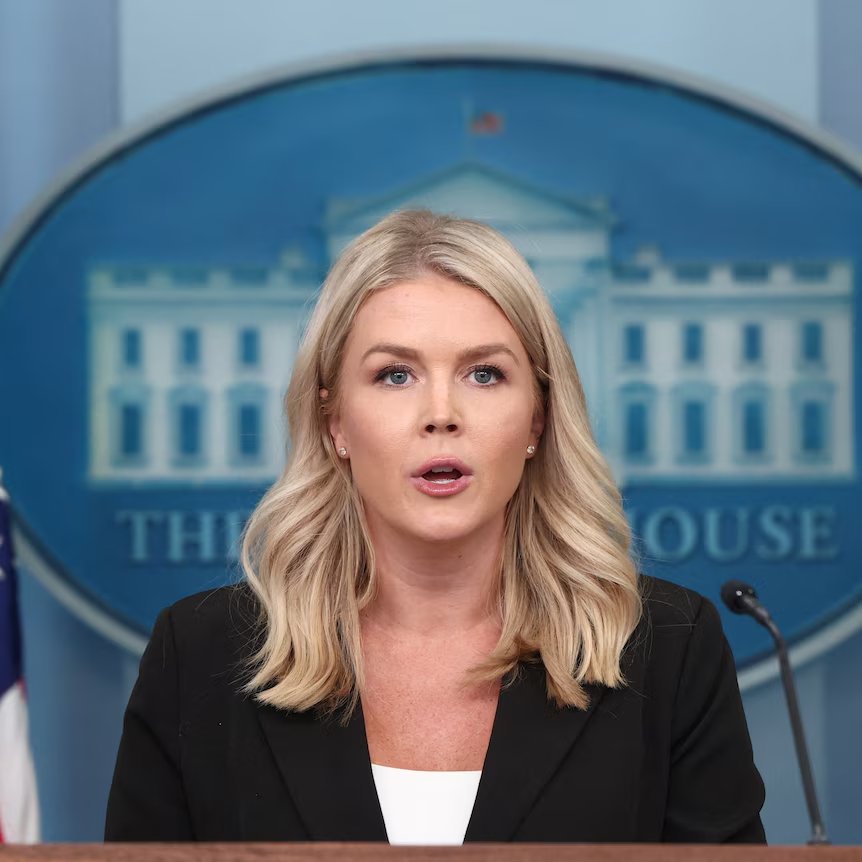
Meanwhile, supporters of Pope Leo XIV say the moment exposed something deeper: how silence, dignity, and restraint can sometimes speak louder than any argument.
As one commentator wrote:
“He didn’t fight back. He made everyone else confront themselves instead.”
Whether viewed as a political clash or a moral moment, one thing is certain — the studio has not stopped talking about it, and the internet has not stopped replaying it.
Because sometimes, the most powerful response is not what is said…
but what is remembered in silence.