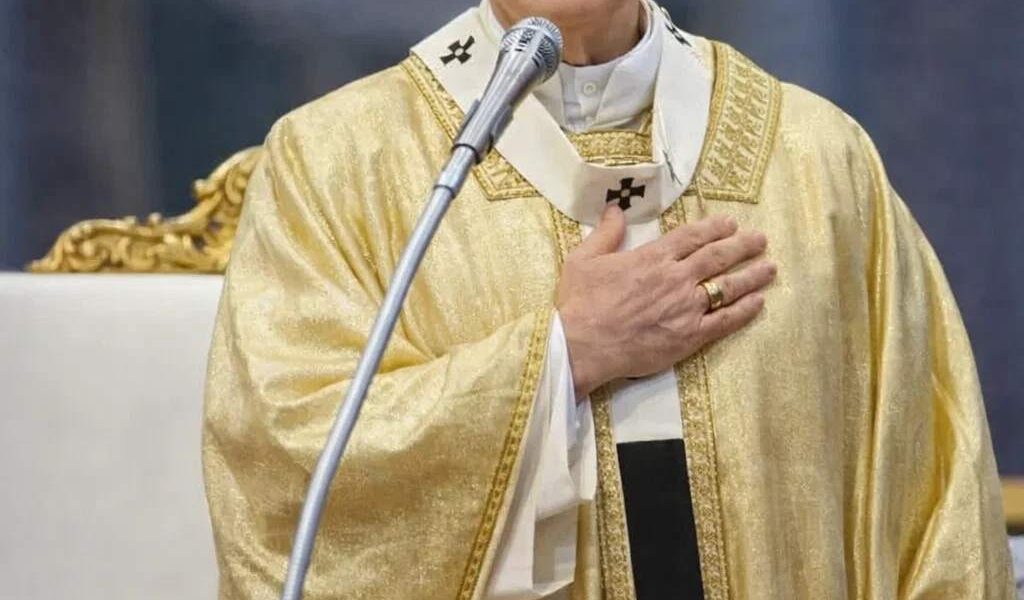
No one expected him to sing — but when Pope Leo XIV began a quiet prayer for peace, the entire square fell into a profound silence. 🌍🕊️

In a world often overwhelmed by conflict, division, and uncertainty, moments of quiet humanity can resonate more powerfully than speeches or political declarations.
One such moment unfolded recently when Pope Leo XIV surprised thousands gathered in a vast square with an act no one expected: he began to sing.
The gathering had already been emotional.
Pilgrims, clergy members, and visitors from around the world had assembled for an evening prayer service dedicated to peace.
Candles flickered softly across the crowd, and the air carried a solemn stillness as prayers were offered for those suffering in war-torn regions and for innocent civilians caught in violence.
As the ceremony drew toward its close, Pope Leo XIV stepped forward.
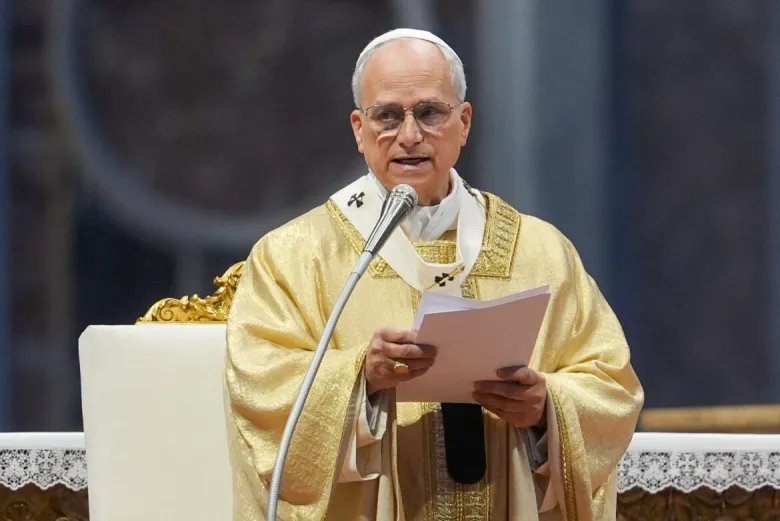
There was no grand announcement, no signal of what was about to happen.
The Holy Father simply paused, looked out across the sea of faces before him, and closed his eyes for a moment of reflection.
Then he began to sing.
The melody was simple and deeply reverent — a traditional prayer calling for an end to war and the dawn of peace among nations.
His voice was not theatrical or overpowering. Instead, it carried a quiet steadiness, shaped by humility and sincerity.
It was a voice meant not to impress, but to unite.
At first, the crowd seemed unsure of how to respond. Conversations stopped mid-sentence. The sound of rustling and movement faded.
Within seconds, thousands of people fell into a profound silence, listening to the Pope’s voice echo gently through the square.
Each line of the prayer spoke of compassion, mercy, and hope.
“Let swords be laid down,” the prayer declared, “and let hearts remember mercy.”
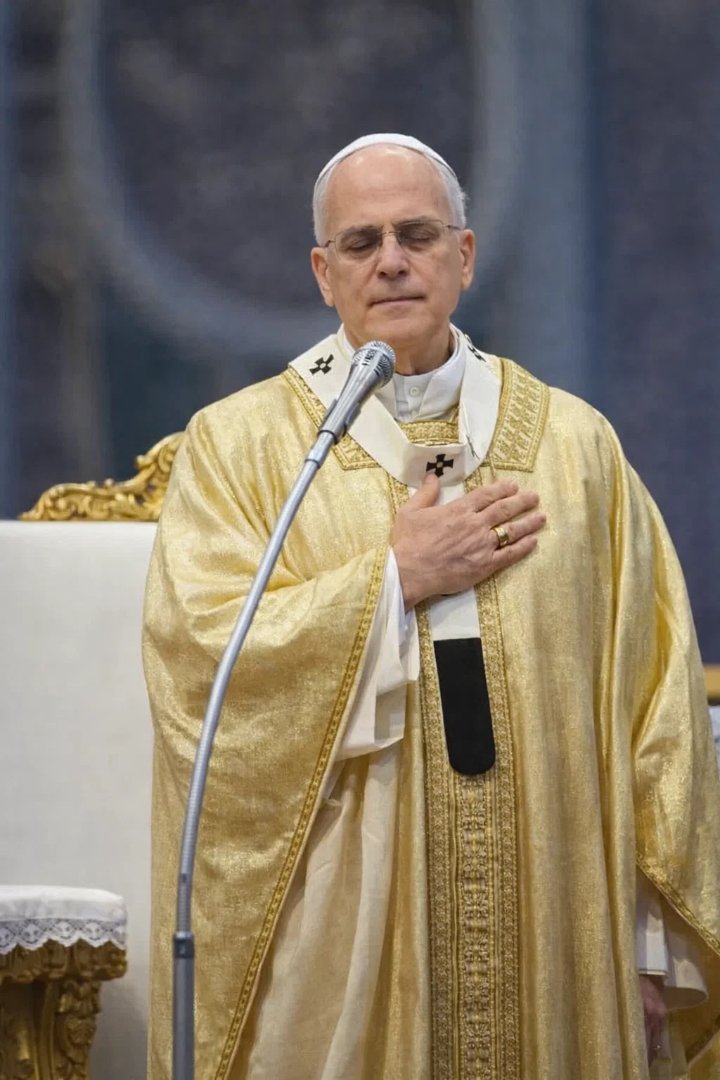
The words carried a message that transcended politics and ideology.
They spoke of a universal longing shared by people across cultures and nations — the desire for peace, dignity, and safety for every human life.
As the song continued, something remarkable happened.
One by one, people in the crowd began to join in.
Some sang quietly. Others simply bowed their heads or clasped their hands in prayer.
Many wiped away tears as the voices of thousands gradually blended together into a single, powerful chorus.
The moment transformed the square into something far greater than a religious gathering.
It became a shared expression of humanity’s deepest hopes.
Observers described the atmosphere as almost indescribable — a mixture of reverence, unity, and emotional release.
“It felt like the whole world stopped for a moment,” one attendee later said.
“No politics, no arguments, just people praying together for peace.”
The Pope’s choice to sing rather than deliver another speech seemed to carry special significance.
In an era where statements and declarations often dominate public discourse, the quiet act of singing a prayer reminded listeners that faith and compassion are sometimes expressed most powerfully through simplicity.
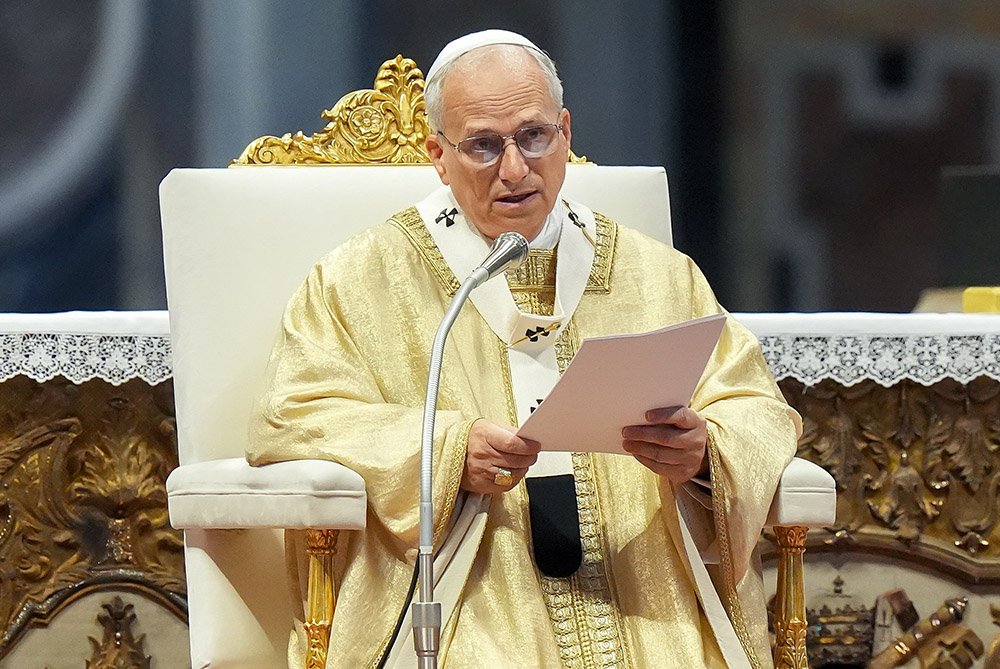
The message of the prayer was clear: war destroys lives, families, and futures, while peace preserves the dignity of every person.
Pope Leo XIV’s voice, though calm and restrained, conveyed a deep urgency.
His words called not only for an end to violence but also for renewed responsibility among world leaders and communities alike.
“In every conflict,” the prayer continued, “it is the innocent who suffer most. Let the children live without fear.
Let the families rebuild their homes. Let the nations remember that peace is stronger than war.”
Many in the audience later described the experience as deeply moving, not only because of the Pope’s words but because of the sincerity with which they were delivered.
There was no spectacle — only a human voice lifted in prayer.
Within hours, recordings of the moment spread rapidly across social media platforms and news outlets.
Millions of viewers watched the scene unfold, many describing it as one of the most touching public moments of the year.
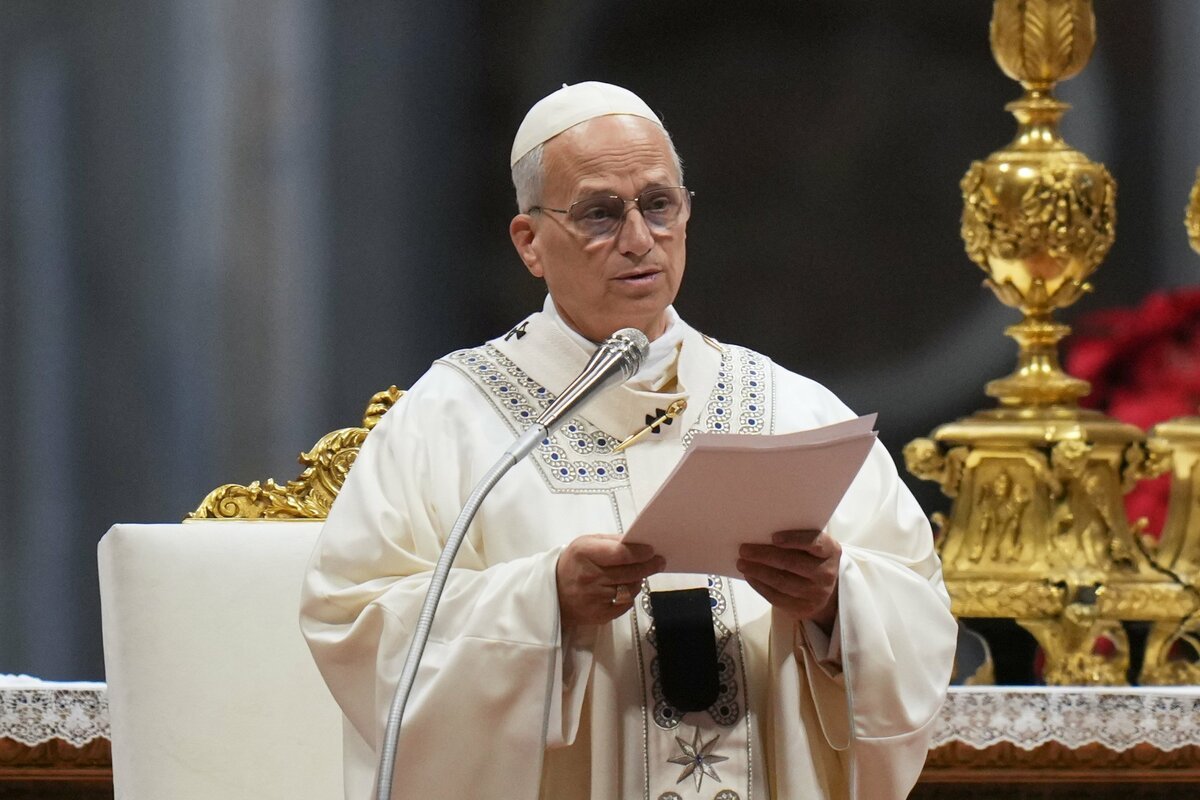
Commenters from different countries and backgrounds shared similar reactions: gratitude, hope, and a renewed belief that unity is still possible in a divided world.
For some viewers, the image of the Pope standing quietly among thousands of candles symbolized something powerful — a reminder that moral leadership does not always come through grand gestures or dramatic speeches.
Sometimes it arrives through a simple prayer sung from the heart.
Religious scholars noted that throughout history, music and prayer have often played a role in moments of reconciliation and healing.
In this case, Pope Leo XIV’s song appeared to accomplish something rare: it created a moment where people from different nations and beliefs could stand together in shared hope.
As the final note faded, the square remained silent for several seconds before gentle applause began to ripple through the crowd.
But the applause felt secondary.
What remained most powerful was the message itself.
A call for compassion.
A call for peace.
And above all, a reminder that even in a troubled world, the human spirit still longs for a future where innocent lives are protected, nations choose dialogue over violence, and the dream of peace is no longer just a prayer — but a reality.